How Thermography Enhances Biosecurity Measures in Queensland


Understanding Thermography in Biosecurity
In recent years, thermography has emerged as a critical tool in enhancing biosecurity measures, particularly in regions like Queensland. This technology uses infrared cameras to detect temperature variations, offering a non-invasive and efficient way to monitor environmental and biological changes. Thermography's ability to provide real-time data makes it invaluable in various sectors, from agriculture to healthcare.

Applications in Agriculture
Thermography plays a vital role in agriculture by helping farmers identify plant stress and potential disease outbreaks before they become visible to the naked eye. This early detection is crucial in preventing the spread of diseases, ultimately protecting crops and ensuring food security. In Queensland, where agriculture is a significant industry, such preventative measures are essential.
Additionally, thermography assists in monitoring livestock health. By detecting temperature changes, it can help in identifying sick animals early, thereby reducing the risk of disease transmission within herds. This proactive approach ensures that farmers can take immediate action, safeguarding both livestock and associated economic interests.
Enhancing Public Health
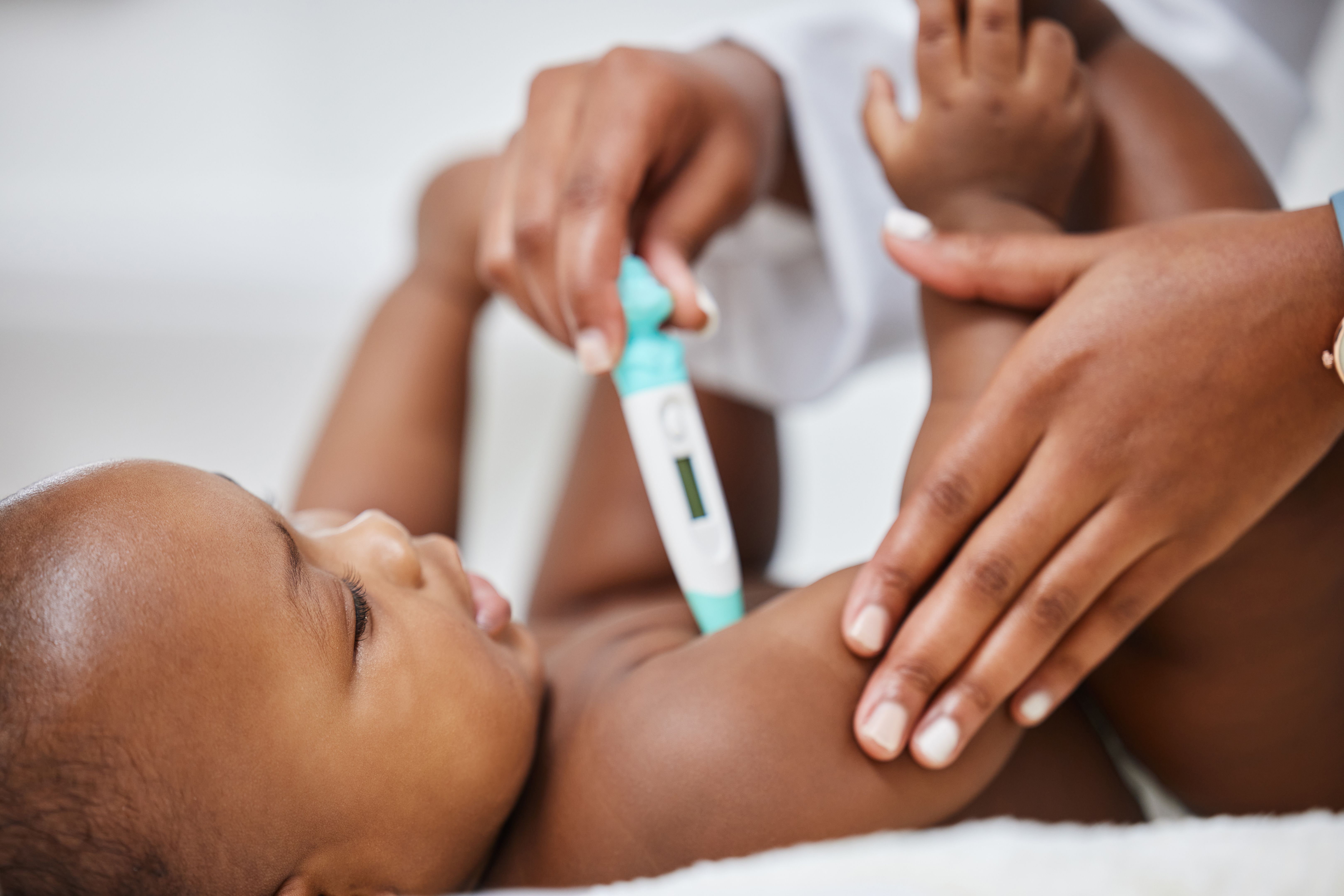
In the context of public health, thermography has been instrumental in fever screening, especially during outbreaks of infectious diseases. Airports and public spaces in Queensland have adopted thermography for rapid screening, allowing for efficient identification of individuals who may require further medical evaluation. This method is not only quick but also minimizes direct contact, reducing potential transmission risks.
Biosecurity in Wildlife Conservation
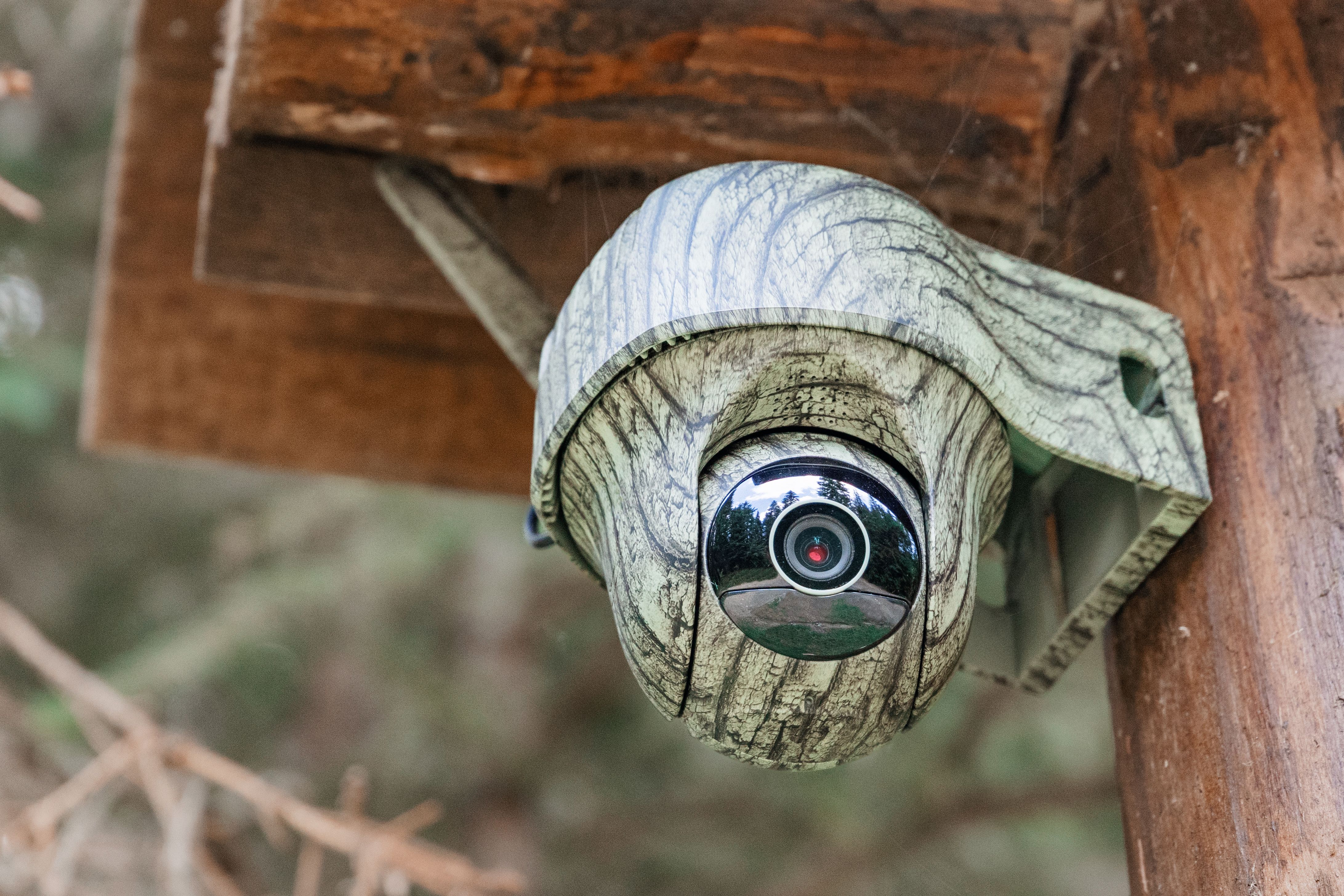
Queensland's rich biodiversity necessitates stringent biosecurity measures to protect its unique wildlife. Thermography is used in wildlife conservation efforts to monitor animal health and detect signs of illness without disturbing their natural habitats. This non-intrusive monitoring helps conservationists in preserving endangered species and maintaining ecological balance.
Moreover, thermography aids in tracking and studying animal behavior, providing insights into their migratory patterns and habitat use. This information is crucial for developing effective conservation strategies and ensuring the sustainability of wildlife populations.
Advantages of Thermography
Thermography offers several advantages over traditional biosecurity methods:
- Non-invasive: It allows for monitoring without physical contact.
- Real-time data: Provides immediate insights, enabling swift decision-making.
- Cost-effective: Reduces the need for extensive manual checks and laboratory tests.
These benefits make thermography a preferred choice for enhancing biosecurity measures across various sectors in Queensland.
Future Prospects and Innovations
The future of thermography in biosecurity looks promising, with ongoing research and technological advancements. Innovations in thermal imaging technology continue to improve accuracy and affordability, making it accessible to more industries. As Queensland continues to prioritize biosecurity, thermography will likely play an increasingly central role in safeguarding its environment and economy.
Collaboration between government agencies, research institutions, and private sectors will be key in harnessing the full potential of thermography. By investing in this technology, Queensland can ensure robust biosecurity measures and uphold its commitment to sustainability and public health.